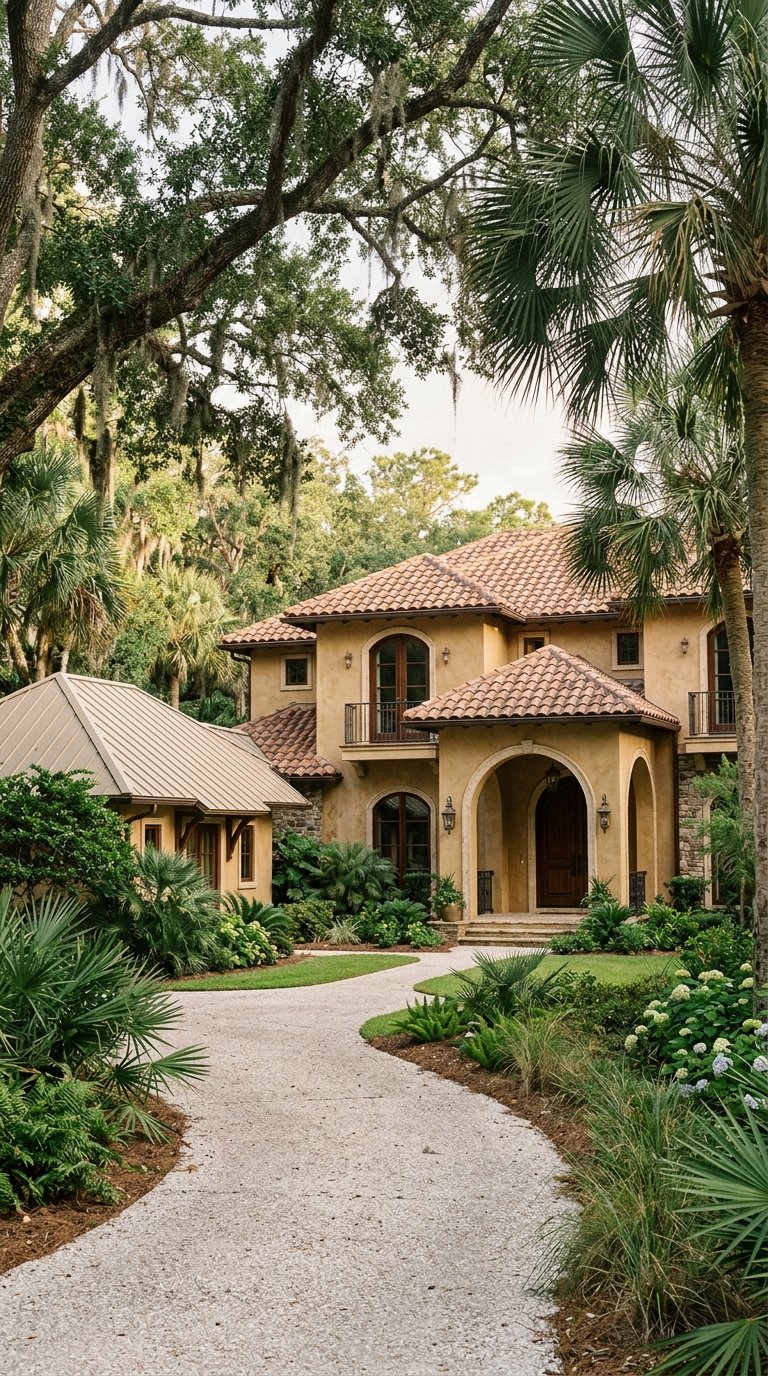
Are luxury homes in Olde Naples defined by one signature look? Not quite. What makes this neighborhood so compelling is the way its architecture layers early beach cottages, classic bungalows, selective Mediterranean influence, and newer coastal contemporary design into one walkable, beach-adjacent setting. If you are buying, selling, or simply studying the area, understanding those layers helps you read value, character, and context more clearly. Let’s dive in.
Olde Naples Has More Than One Style
Olde Naples is the city’s historic core, and that matters when you look at its homes. According to the City of Naples, the neighborhood includes many of the city’s original residences, along with mature palms, tropical landscaping, and a mix of old and new homes.
That mix is a big part of the appeal. Olde Naples stretches between important residential and town-center areas, including Third Street South and Fifth Avenue South, so the architecture feels both historic and active rather than frozen in time.
The National Register historic district in Olde Naples is centered around 9th Avenue South, 3rd Street, 13th Avenue South, and the Gulf of Mexico, with a period of significance from 1875 to 1949. In simple terms, that means the neighborhood’s architectural identity began well before today’s luxury building trends.
Early Olde Naples Architecture
The oldest homes in Olde Naples were generally modest in scale. They were built to suit climate, daily life, and a coastal setting, which helps explain why many historic streets still feel intimate and comfortable.
Frame Vernacular Cottages
Some of the earliest buildings were simple frame-vernacular cottages. The National Register nomination notes that these homes sometimes included hints of Queen Anne and Stick style, but their overall character was practical, restrained, and closely tied to the local environment.
These cottages are important because they represent the neighborhood’s original fabric. They were not designed as grand estates. Instead, they established the low-scale, porch-oriented rhythm that still shapes how many parts of Olde Naples feel today.
Palm Cottage and Early Craft Character
Historic Palm Cottage, built in 1895, offers another useful reference point. The Naples Historical Society identifies it as Naples’ oldest house and notes that it was built using tabby mortar, a handmade shell-based concrete.
That detail says a lot about early architecture here. The oldest homes in Olde Naples often reflected hand-crafted materials and straightforward construction methods, giving the area a more rustic and rooted architectural starting point than many buyers expect.
Bungalows as the Dominant Historic Style
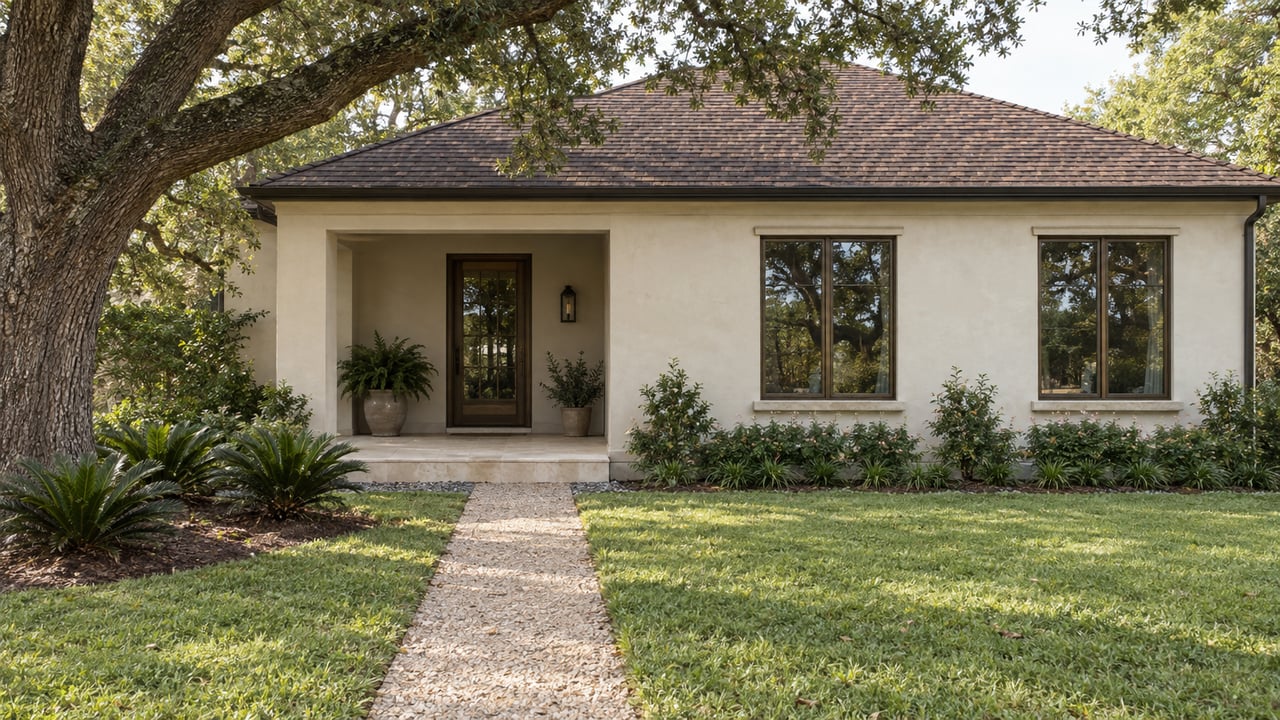
If one historic style stands out most in the district, it is the bungalow. The National Register nomination describes bungalow homes with features such as a gable parallel to the street, a shed dormer, casement windows, and an inset porch supported by tapered posts.
For buyers and sellers, bungalow architecture matters because it captures the scale that many people associate with classic Olde Naples. These homes tend to sit comfortably on their lots and contribute to the neighborhood’s walkable, human-scaled feel.
Colonial Revival in the Mix
Colonial Revival homes are also present in the district. They are part of the historic mix, even if they are not described as the predominant style.
This reinforces an important point: Olde Naples has never been architecturally one-note. Even in its earlier years, the neighborhood included more than one design influence.
Mediterranean-Inspired Luxury Homes
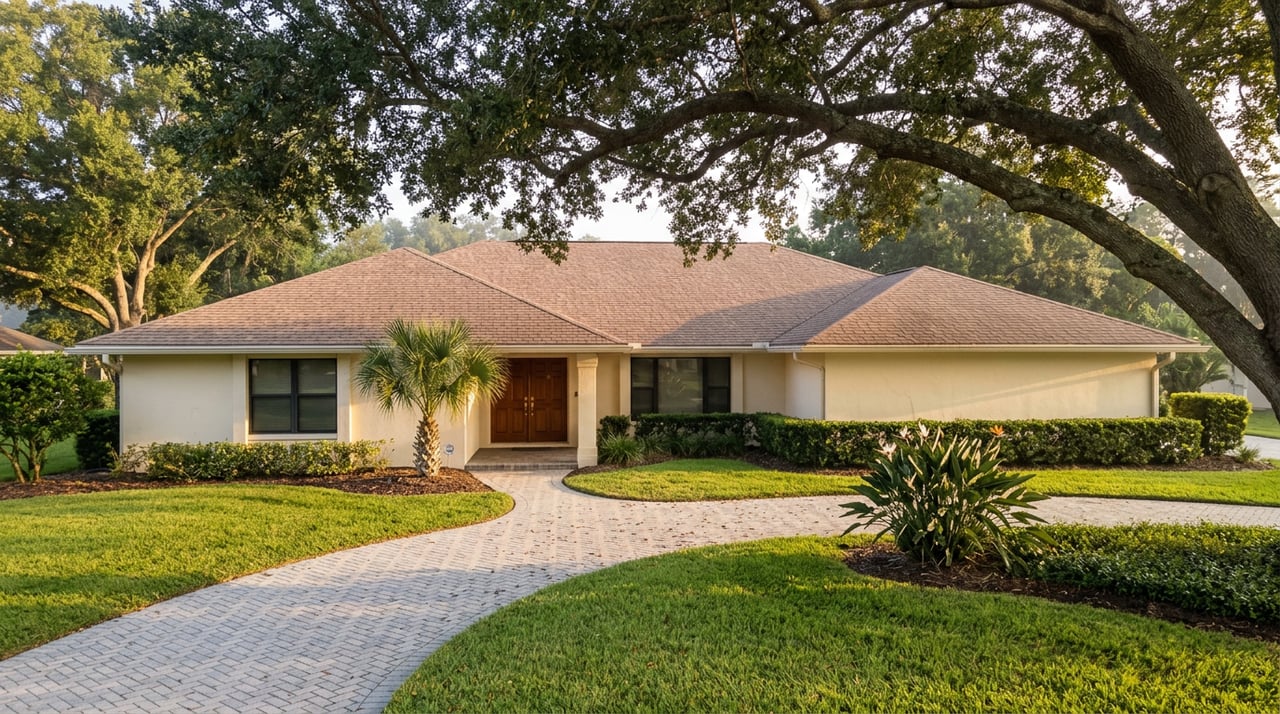
Many luxury buyers in Florida are familiar with Mediterranean-inspired design. In the broader state context, Mediterranean Revival is often associated with red barrel-tile roofs, stucco exteriors, and archways.
Why Mediterranean Is Not the Original DNA
In Olde Naples, however, Mediterranean-inspired homes should be understood as a later layer rather than the neighborhood’s first architectural identity. The National Register nomination states that most historic buildings in the district pre-date the 1925 to 1926 real estate boom.
The Naples Historical Society also notes that Mediterranean Revival is unusually infrequent in Naples compared with other historic forms found in the district. So while Mediterranean details remain important in the luxury conversation, they are not the main story of Olde Naples’ earliest residential character.
Where Mediterranean Fits Today
That does not make Mediterranean-inspired homes any less relevant in the present market. In a luxury setting, these residences often bring a more formal, established visual language through classic Florida materials and detailing.
For some buyers, that means timeless curb appeal. For sellers, it means positioning the home correctly within Olde Naples’ broader architectural mix instead of presenting it as the neighborhood’s original default style.
Coastal Contemporary and Modern Naples Style
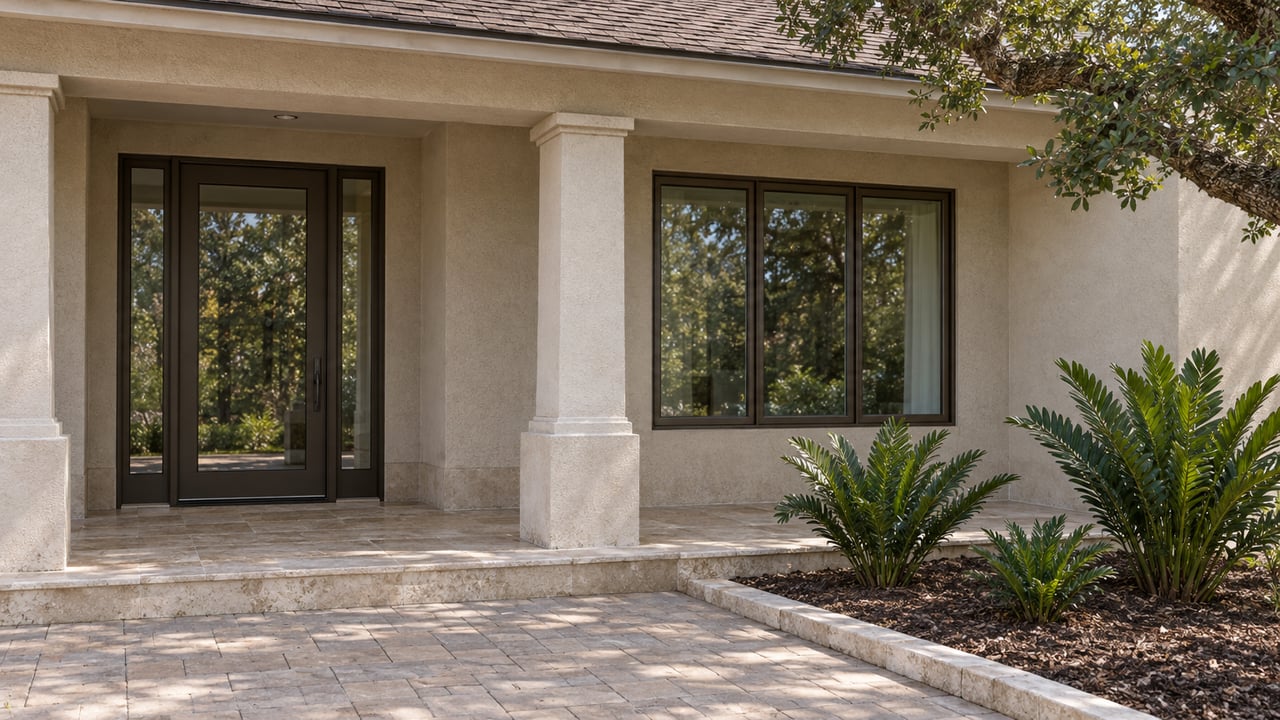
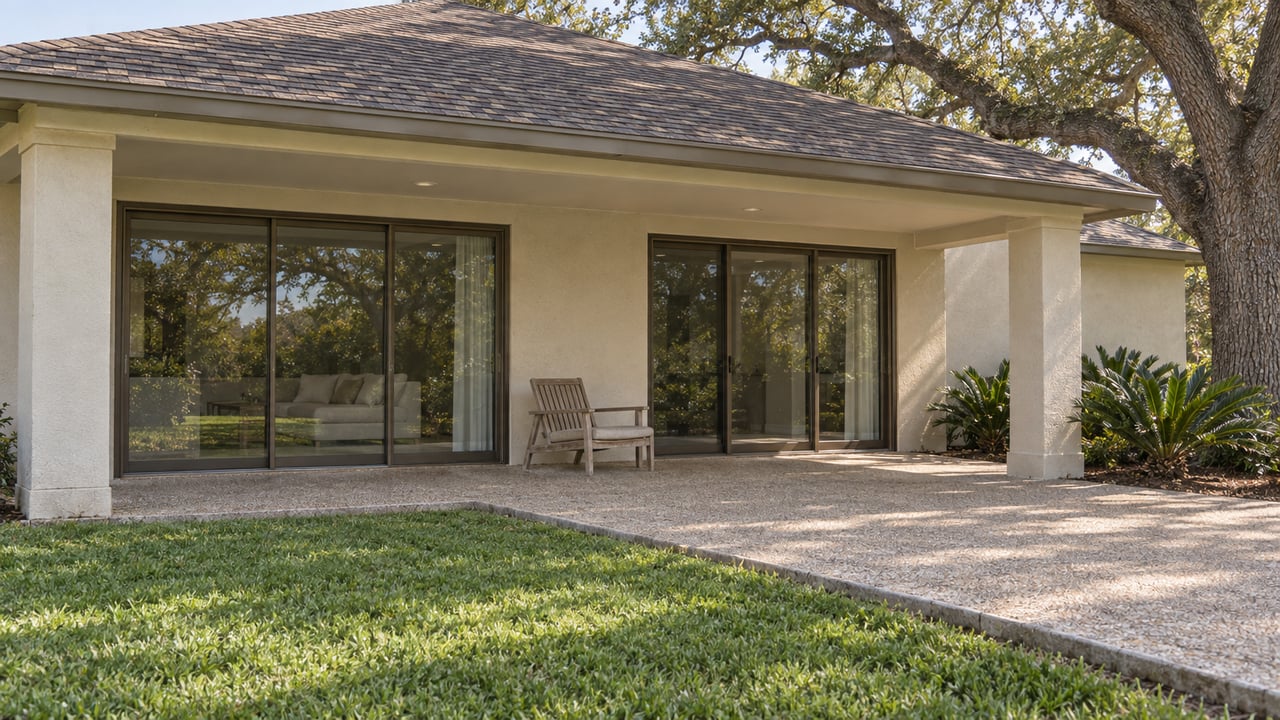
The current luxury layer in Olde Naples is often expressed through coastal contemporary design. Recent City of Naples design-review documents describe newer homes with clean lines, deep overhangs, large sliding glass openings, covered terraces, and impact-rated windows.
These homes often emphasize indoor-outdoor living in a more explicit way. They also reflect how luxury construction in Olde Naples has evolved to accommodate larger spans, more glass, and a more minimal exterior composition.
Contemporary Design With Local Cues
Even when a home reads as contemporary, it often still borrows from Old Florida traditions. City design-review materials note that Old Florida style is evident in Old Naples, which helps explain why many newer homes still use porch, shade, and landscape cues.
That balance is important. Infill and replacement homes may feel modern, but the strongest designs still respond to the neighborhood’s streetscape rather than ignoring it.
Minimizing Massing Matters
City materials also describe modern Naples style in terms of reinforcing the streetscape, minimizing massing, and maintaining a lush landscaped environment. That is a useful lens for understanding why some new construction feels more natural in Olde Naples than others.
Luxury in this neighborhood is not only about size. It is also about proportion, visual softness, and how a home sits within a leafy, low-rise setting near the beach.
How Style Changes by Area
One of the most useful ways to understand Olde Naples is to read it in bands rather than as a single look. Architecture shifts from block to block, and sometimes from lot to lot.
Near Third Street South and the Beach
Closer to Third Street South and the beach, the streetscape leans more strongly toward original cottages, bungalows, and other low-scale historic homes. This is where the neighborhood’s earlier character tends to feel most visible.
That setting helps explain why these streets often feel especially intimate. The architecture and the urban pattern work together to create a strong sense of place.
Around Fifth Avenue South
Around Fifth Avenue South, the look becomes more mixed. Fifth Avenue South describes the area as combining historic and modern architecture, and the corridor’s pedestrian-friendly environment reinforces that blend.
Here, you are more likely to see a polished transition between older forms and newer design language. The result is a streetscape that feels layered, active, and distinctly urban by Naples standards.
Between the Core and Corridors
Between the beach core and the major corridors, style often changes lot by lot. Older homes may be preserved or renovated, while nearby properties may be replaced with newer luxury residences.
For buyers, this means context matters on a very local level. For sellers, it means careful positioning is essential because the value story may depend as much on the immediate streetscape as on the broader Olde Naples name.
What Defines Luxury in Olde Naples
Luxury in Olde Naples is less about one architectural label and more about how a home fits into the neighborhood’s layered identity. A historic cottage, a classic bungalow, a Mediterranean-inspired residence, and a coastal contemporary estate can all feel appropriate here under the right conditions.
What ties them together is setting. Mature palms, tropical landscaping, low visual bulk, walkability, and proximity to the beach all shape how architecture is experienced in Olde Naples.
That is why architectural style should never be viewed in isolation. In this market, the relationship between the home, the street, and the surrounding historic fabric often carries just as much weight as the home’s design category.
What Buyers and Sellers Should Notice
If you are buying in Olde Naples, look beyond labels. Ask how the home responds to its lot, whether the design fits its immediate surroundings, and how the architecture supports privacy, light, shade, and indoor-outdoor living.
If you are selling, your home’s style should be framed with precision. A buyer will respond best when the property is presented within the correct architectural and neighborhood context, whether that means highlighting historic character, later-period elegance, or refined contemporary design.
In a market as nuanced as Olde Naples, local interpretation matters. Understanding the difference between original neighborhood character and later luxury additions helps you make more informed decisions and market a property more effectively.
If you are considering a purchase or sale in Olde Naples and want measured guidance on how architecture, setting, and market positioning work together, the Lickley Group offers discreet, tailored support backed by deep Southwest Florida experience.
FAQs
What architectural styles are most common in Olde Naples luxury homes?
- Olde Naples is best known for a mix of early frame vernacular cottages, bungalows, some Colonial Revival homes, later Mediterranean-inspired residences, and newer coastal contemporary homes.
Are Mediterranean homes the original style in Olde Naples?
- No. In Olde Naples, Mediterranean-inspired homes are better understood as a later architectural layer, while the neighborhood’s earliest character came from cottages, vernacular homes, and bungalows.
What defines historic architecture in Olde Naples?
- Historic architecture in Olde Naples is generally low-scale, porch-oriented, and climate-responsive, with many homes dating to the district’s period of significance from 1875 to 1949.
Where can you see the oldest home styles in Olde Naples?
- The streets near Third Street South and the beach tend to show the strongest concentration of original cottages, bungalows, and other low-scale historic homes.
How does newer construction fit into Olde Naples?
- Newer construction in Olde Naples often uses coastal contemporary design features such as clean lines, deep overhangs, large glass openings, covered terraces, and lush landscaping while still responding to the surrounding streetscape.