Want premium offers for your Bonita Bay high-rise? You are competing in a sophisticated, view-driven market where details like SIRS status, view lines, and seasonality can swing six figures. With the right prep and positioning, you can attract cash-ready seasonal buyers and reduce surprises at closing. This guide shows you how to price by view and floor, assemble the right association documents, time your launch, and present a turnkey listing that stands out. Let’s dive in.
What drives premium value
Bonita Bay towers reward units that are easy to own and showcase the lifestyle. Buyers focus on view quality, floor level, renovation level, and any deeded extras. They also ask early about structural inspections, reserves, and insurance.
View, floor, and exposure
Upper floors with unobstructed bay or Gulf panoramas often command material premiums. Academic research supports measurable water view premiums, which vary by view quality and building context. Use careful view classification (partial vs. full, west-facing sunsets vs. other exposures) when you price and market your unit. See the appraisal literature on water view premiums for context in this research overview.
Outdoor space and impact features
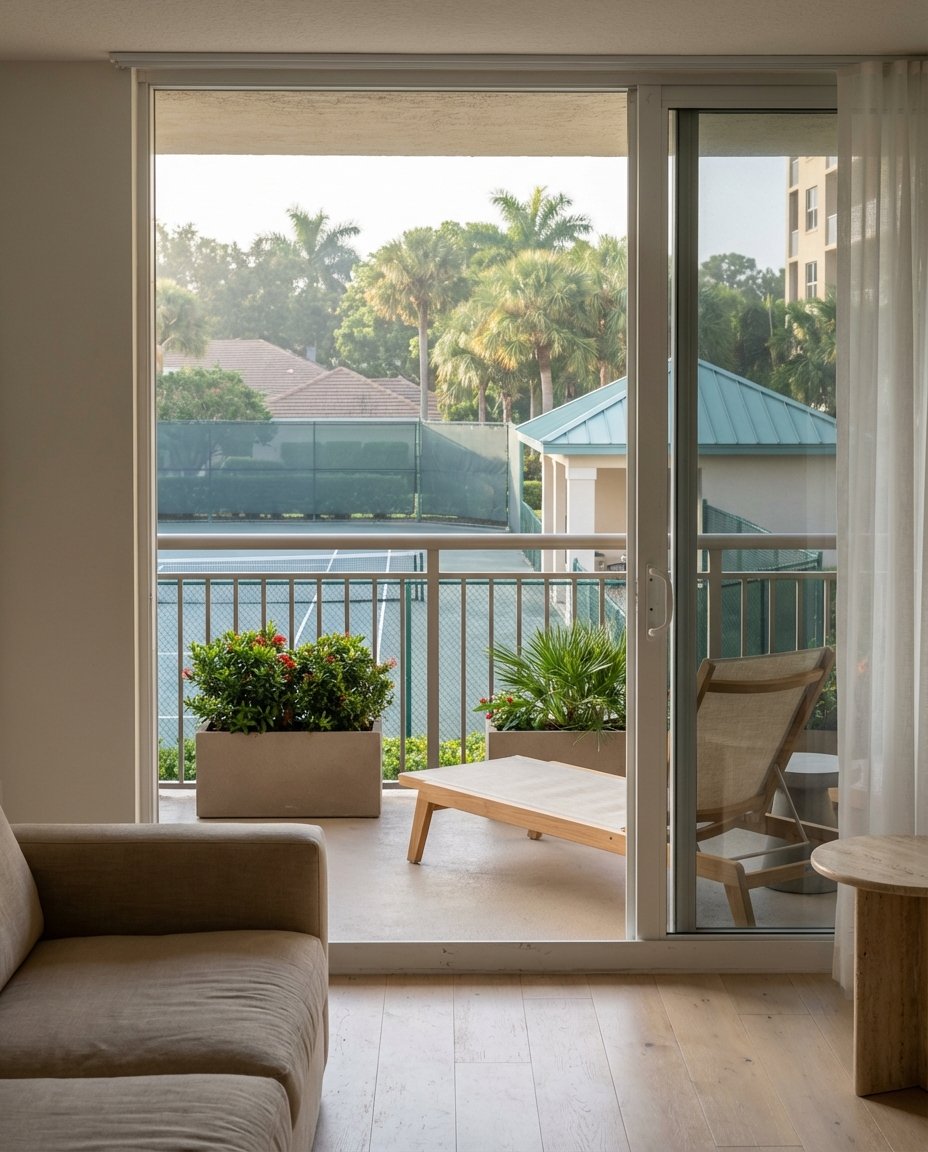
Large, usable lanais, outdoor kitchens, and privacy matter. Buyers also value hurricane-readiness, including impact-rated windows and doors or well-documented shutter systems. Clear documentation reduces insurance friction and helps your unit rise to the top of a buyer’s list.
Deeded extras and marina access
Enclosed two-car garages, large storage rooms, and especially deeded boat slips can move price meaningfully. Confirm whether any marina slip transfers with the unit and include that in your marketing. For context on marina services and waterfront access, review the community marina information.
Building vintage and stack placement
Bonita Bay towers range from mid-1990s buildings to recent completions. Age and floor-plate design affect milestone inspection timing and component condition, which influence buyer demand. When pricing, prefer same-building comps and same stack or line, then adjust for level and finish.
Price with a clear comps plan
Your best pricing anchor comes from recent closed sales in your building and view band. Start with same-building, same or similar stack, then adjust for floor height, view quality, outdoor space, and renovation level. Where needed, support your adjustments with per-square-foot analysis and recognized valuation research on elevation and corner premiums, such as studies on oceanfront condominiums available through industry research portals.
- Prioritize same-building sold pairs within the past 6–12 months.
- Tier comps by view class: full west Gulf, wide bay, partial bay or mangrove.
- Quantify finish-level deltas using recent interior photos and inspection notes.
- Consider a professional appraisal or broker price opinion for confidence.
Time your launch for season
Buyer activity in Southwest Florida typically peaks from late fall through early spring, with many sellers targeting Q4 to be fully exposed to January through March showings. Align your prep timeline so photography, copy, and disclosures are ready before peak traffic. Adjust for interest rate trends, weather, and competing listings when finalizing your go-to-market date.
Association reports buyers will request
In Florida’s high-rise market, association transparency is not optional. Buyers and lenders want milestone inspection and reserve documentation, plus a clean estoppel. Start early to avoid delays.
Milestone inspections and SIRS
Florida requires “milestone” structural inspections and a Structural Integrity Reserve Study (SIRS) for buildings three or more stories. SIRS identify critical components like roofs, load-bearing elements, fire-protection systems, waterproofing, and windows, and they must be updated at least every 10 years. Review deadlines that apply to your association and keep copies ready for buyers. For a plain-language overview, see the DBPR condominium FAQs.
Estoppel timing and fees
Associations must deliver an estoppel certificate within 10 business days of a written request, and statutory fee caps apply. Estoppels summarize account status, assessments, and key financials and are relied on by buyers, lenders, and title companies. Confirm who pays the fee and order early once under contract. See Florida Statute section on estoppels in 718.116.
Reserve funding and assessments
Under current law, funding for SIRS items cannot be waived by owner vote for covered budgets. Associations may use regular assessments, special assessments, or association loans to fund structural items. If reserves are low or major work is pending, expect buyers to ask for credits or escrow structures. Review a practical overview of SIRS funding rules here.
Financing and project eligibility
Some buyers will need agency or jumbo financing. Project-level eligibility can be affected by reserve levels, investor concentration, pending litigation, or special assessments. Confirm the building’s status against applicable standards so you can guide financed buyers. See Fannie Mae’s condominium project standards for reference here.
Pre-list document checklist
Gather these items before you photograph or list. Having them on hand builds trust and shortens days on market.
- Most recent milestone inspection and SIRS, with any repair recommendations.
- Current budget, year-end financials, and reserve schedules.
- Last 12 months of association meeting minutes.
- Master insurance certificate and summary of deductibles.
- Any special assessment notices, schedules, or association loan documents.
- Condo estoppel certificate once under contract, per Florida Statute 718.116.
Prepare your unit to reduce friction
Seasonal and second-home buyers want turnkey, reliable, and stylish. Focus on practical updates and presentation that make ownership easy.
- Service and document mechanicals. Provide recent A/C and water heater maintenance records.
- Install or certify impact windows and doors, or document shutter systems and mitigation reports.
- Refresh kitchens and primary baths with neutral finishes and quality appliances rather than overbuilding.
- Deep clean, declutter, and stage for scale and light. Professional photos, a measured floor plan, and a video emphasizing views and the route to the marina or beach are standard at this level. Staging and professional photography are shown to reduce days on market and support stronger offers, as highlighted by NAR’s staging insights.
Marketing story that resonates
Align your narrative with what Bonita Bay buyers value most.
- Lead with view quality and direction. West-facing sunset views are highly sought after; be specific and honest about the exposure.
- Clarify marina access. Note whether a deeded slip conveys, slip size constraints, and proximity to waterfront dining. Verify transfer rules with the association and the Bonita Bay Marina.
- Explain beach and club options. State whether club membership is optional and not included, and advise buyers to verify current initiation and dues with the club directly.
- Emphasize low-friction living. Highlight full-time manager or concierge, guest suites, security, and any vetted property management options for absentee owners.
Smooth closing with fewer surprises
The best offers hold together when your paperwork is complete and your project eligibility is clear.
- Order the estoppel promptly once under contract. The statute allows 10 business days for delivery and errors can delay closing. Reference Florida Statute 718.116.
- Provide all milestone, SIRS, and repair documents at the start of due diligence. The DBPR guidance outlines why these are material.
- Confirm lender pathways early. If agency approval is limited, be ready to guide buyers to jumbo or portfolio lenders that can support your building’s profile using Fannie Mae’s project standards as a reference point.
Quick context on Bonita Bay towers
Understanding building vintage helps set expectations for maintenance cycles and inspection timing. Commonly referenced towers include Bayview (mid-1990s), Vistas (1998), Horizons (2000), Estancia (2002), Azure (mid-2000s), Esperia South (2007), Tavira (2009), Seaglass (2017), and Omega (late 2010s to 2022). Always verify building-specific timelines, reserve posture, and project status with your association.
Ready to position your Bonita Bay residence for top-of-market results? Request a discreet strategy, tailored comps, and a white-glove launch plan from the Lickley Group.
FAQs
How do view and floor level affect price in Bonita Bay high-rises?
- Water views and higher floors can command measurable premiums; compare recent same-building, same-view sales and use research on water view premiums for guidance, such as this overview.
What is a SIRS and do I need to disclose it when selling?
- A Structural Integrity Reserve Study identifies key structural components and funding plans; you should disclose SIRS and any milestone findings early, as outlined in the DBPR condominium FAQs.
How fast must my association deliver an estoppel certificate in Florida?
- Associations generally must deliver an estoppel within 10 business days of a written request and fee caps apply, per Florida Statute 718.116.
Can most buyers finance a Bonita Bay high-rise condo?
- It depends on project eligibility factors like reserves, litigation, or investor concentration; review applicable standards in Fannie Mae’s condominium project guidelines and consult local lenders.
When is the best season to list a Bonita Bay tower residence?
- Listing before peak season exposure in January through March can help, with many sellers targeting a Q4 go-live to capture heightened winter buyer traffic.