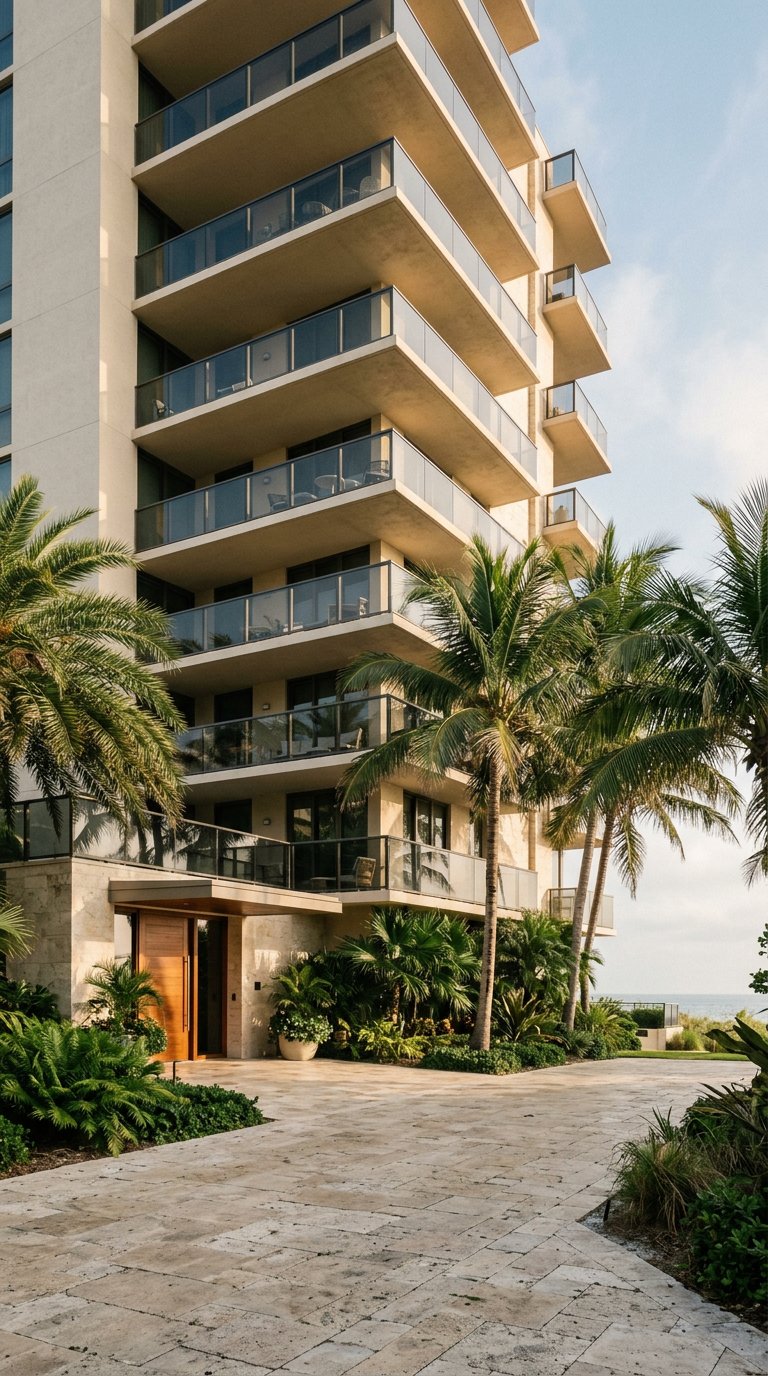
Pricing a Park Shore beachfront condo a little too high can stall showings, while pricing too low can leave real money on the table. In today’s more balanced Naples market, you need a clear, defensible strategy that reflects how buyers and lenders actually evaluate high-rise properties. In this guide, you’ll learn how to read value drivers specific to Park Shore, build a price ladder you can stand behind, and time your launch for maximum demand. Let’s dive in.
Market snapshot and timing
Park Shore sits in Naples’ luxury beachfront corridor, where pricing expectations remain elevated relative to the broader area. Naples inventory rose in 2024 and 2025, and conditions shifted toward a more balanced market by late 2025 and early 2026. You should set pricing with current absorption and days on market in mind using the monthly Naples Area Board of REALTORS report for the condo tier you’re selling. Review the latest county-level trends in the NABOR market statistics.
Naples is also strongly seasonal. Buyer activity typically rises from November through April, fueled by seasonal residents and second-home buyers. If your timing allows, plan your listing window, photography, and outreach to align with this demand cycle. For context on these recurring patterns, see this overview of Naples housing seasonality.
Define your comparable pool correctly
Separate gulf-front towers from bayfront mid-rises
Direct Gulf towers on the front row command the highest per-square-foot prices because of unblocked water views, private beach access, and proximity to amenities like Venetian Village. Bayfront mid-rises on Venetian Bay usually trade at a discount to gulf-front towers, though they appeal to buyers who value protected water views and boating access. Treat these as distinct value bands in your CMA. Price relative to the correct band, not to the entire neighborhood average.
Use stack, line, and orientation
A building’s “stack” or “line” identifies vertically aligned units that share the same floor plan. Stacks fix the orientation, lanai size, and view corridor. Corner stacks with broader exposures often achieve higher pricing than interior lines, even at similar square footage. The most reliable comps match the same building, same stack or line, and a similar floor level.
Quantify floor height and view premium
View is a primary price driver. Academic and applied studies show significant premiums for open water views compared to partial or obstructed views. Use local sold data to quantify how Park Shore buyers value full Gulf exposure versus bay or side views, and reference broader literature directionally, such as the waterfront view premium evidence summarized in this peer-reviewed study. Match view exposure when selecting comps to avoid over- or under-pricing.
Weigh renovation and condition realistically
Turnkey finishes and system upgrades matter in luxury coastal buildings. Recent national benchmarking indicates targeted updates can meaningfully lift net sale price. As a reference point, the 2025 Cost vs Value report shows a minor kitchen refresh recoups about 113 percent on average and a midrange bath remodel around 80 percent nationally. Use these figures as a sanity check when estimating likely lift from in-unit updates, and prioritize kitchens, primary baths, impact-rated windows or doors, and neutral finishes. Review the latest Cost vs Value data.
Confirm association health and SIRS status
Florida now requires milestone structural inspections for multi-story condominium buildings and Structural Integrity Reserve Studies for covered buildings. Buyers, lenders, and insurers pay close attention to these items, along with reserve funding levels and any special assessments. Obtain and disclose the building’s milestone inspection and SIRS status, current reserves, and any approved or pending assessments. Buildings with completed studies and funded plans tend to preserve value, while unresolved issues often require pricing adjustments or concessions. You can read the statutory framework here: Florida Statutes, Chapter 553.
Address insurance, flood risk, and mapping
Coastal insurance markets and mapping updates affect carrying costs and buyer confidence. Provide current association insurance declarations, renewal history, and any mitigation work completed. Clear documentation can reduce perceived risk and support stronger pricing.
Build a price ladder you can defend
Use a structured approach to set list price, negotiating range, and timing triggers. A small percentage move translates into large dollar shifts at Park Shore price points, so precision matters.
Step 1: Nail the comparable pool
Start with the narrowest set: same building, same stack or line, similar floor band, same view exposure, and similar renovation level. If there are not enough recent same-line sales, expand first to other floors in the same building, then to adjacent buildings with the same orientation and finish level.
Step 2: Subtract non-market costs
Document and net out ownership costs that buyers will price into offers. These include meaningful HOA or insurance increases, required reserve contributions, newly approved special assessments, stricter rental rules, or marina slip availability if relevant. Estimate the present value of unavoidable near-term costs and reflect them in your price strategy.
Step 3: Adjust for renovation deltas
Where the building shows a mix of remodeled and original-condition sales, measure the per-square-foot differences. Use local comps first. Cross-check your estimates with the Cost vs Value benchmarks for midrange kitchen and bath projects to ensure your adjustments are plausible.
Step 4: Assign a view premium
Quantify view tiers using Park Shore solds that match your view corridor. If datapoints are thin, use broader waterfront research as directional support, then refine your pricing as more local sales close. The goal is to avoid comparing full Gulf panoramas with partial or side views as if they were the same product.
Step 5: Set your listing, range, and triggers
Create a layered plan: a list price, a primary negotiating range, and a maximum concession threshold. Define calendar-based triggers for price reviews, especially if you list outside peak season. Align adjustments with real showing feedback and new comp activity.
Time your launch around demand
If possible, list to capture the November to April activity surge. That window typically delivers more qualified showings for luxury beachfront towers. If you must list off-season, tighten pricing, present a comprehensive building packet upfront, and lean into buyer education around assessments, reserves, and insurance to maintain momentum.
Seller prep checklist to protect value
Use this checklist to reduce time on market while preserving price strength:
- Gather association disclosures: milestone inspection and SIRS reports, latest reserve study, current budget and YTD financials, meeting minutes on any pending or approved assessments, insurance declarations, and a summary of major repair projects and timelines. Many buyers and lenders will not proceed without this documentation, and clarity supports stronger pricing. See the statutory context for these requirements in Florida Statutes, Chapter 553.
- Prepare a comparables memo. Show same-stack or same-line solds, reconcile differences, and highlight valid reasons for a premium. This reduces negotiation friction.
- Prioritize high-ROI updates. Focus on a cosmetic kitchen refresh, primary bath updates, impact-rated openings if appropriate, fresh neutral paint, and professional staging and photography. Reference the 2025 Cost vs Value benchmarks to guide scope.
- Set a seasonally informed listing window. Launch when seasonal demand is strongest if timing permits. If not, calibrate pricing and marketing cadence accordingly. For a data-informed view of seasonality, review Naples demand patterns.
- Preempt common buyer questions. Create a short FAQ that addresses association reserves, SIRS status, insurance costs, and any approved assessments. Include contractor bids or association scopes if available.
When to consider a discount or special strategy
Certain conditions justify a visible price adjustment or a tailored marketing approach. Examples include:
- Missing or unresolved SIRS or milestone inspections when required, or extensive findings without a funded plan.
- Newly approved or likely multi-year special assessments that materially increase ownership costs.
- Active building litigation tied to structural issues, deferred maintenance, or insurance disputes that limit financing options.
- Flood-mapping changes that raise mitigation standards without a clear implementation plan.
When any of these apply, document the facts in your property packet. Consider concessions that directly address buyer friction, such as offering to cover part of an assessment at closing or structuring timing around repair milestones. Price to the buyer set most likely to transact given the building’s near-term outlook, and emphasize the long-term value of location, views, and completed work.
Putting it together: a Park Shore playbook
Here is how you might blend these elements into a practical workflow:
- Confirm the correct value band: gulf-front tower versus bayfront mid-rise. Identify true peers for your unit.
- Pull same-building comps by stack or line, then group by view exposure and floor band. Note any corner-versus-interior differences.
- Separate remodeled sales from original-condition sales. Calculate per-square-foot differences to size your condition adjustment.
- Verify association health: obtain SIRS and milestone reports, reserve study, insurance declarations, and minutes flagging assessments. Convert any near-term costs into a dollar adjustment.
- Use waterfront research as directional support for view tiers, then rely on Park Shore solds to set your view premium.
- Build your price ladder: list price, target negotiation range, and maximum concession. Set review dates based on seasonality and showing traffic.
- Prepare a buyer-facing comparables memo and an association FAQ. Anticipate lender and insurer questions to protect momentum through contract to close.
Next steps
If you want a pricing conversation grounded in Park Shore’s building-by-building realities, we are here to help. Our team pairs high-rise expertise with a process that removes guesswork and keeps your goals front and center. When you are ready, connect with the Lickley Group to Request a Confidential Market Consultation.
FAQs
How should I price a Park Shore gulf-front condo versus a bayfront mid-rise?
- Treat them as separate value bands, then price within the correct band using same-building, same-stack comps and matching view exposure.
How do SIRS and milestone inspections affect my listing price in Florida?
- Completed studies with funded plans help preserve value, while unresolved findings or large pending assessments often require visible discounts or seller concessions.
What is the best season to list a Park Shore beachfront condo?
- Activity typically increases from November through April, so listing in that window can improve exposure and showings for luxury towers.
How much can a renovation add to my Park Shore condo’s value?
- Local comps set the true delta, but national benchmarks suggest minor kitchen refreshes and midrange bath updates often deliver strong recoup percentages.
How do I estimate a view premium if exact Park Shore comps are limited?
- Use the closest same-building sales by view tier and floor band, then reference waterfront research directionally while monitoring new local closings.
Which documents will Park Shore buyers and lenders expect in 2026?
- Milestone inspection and SIRS reports, reserve study, current budget and financials, minutes on assessments, and current insurance declarations are typically essential.