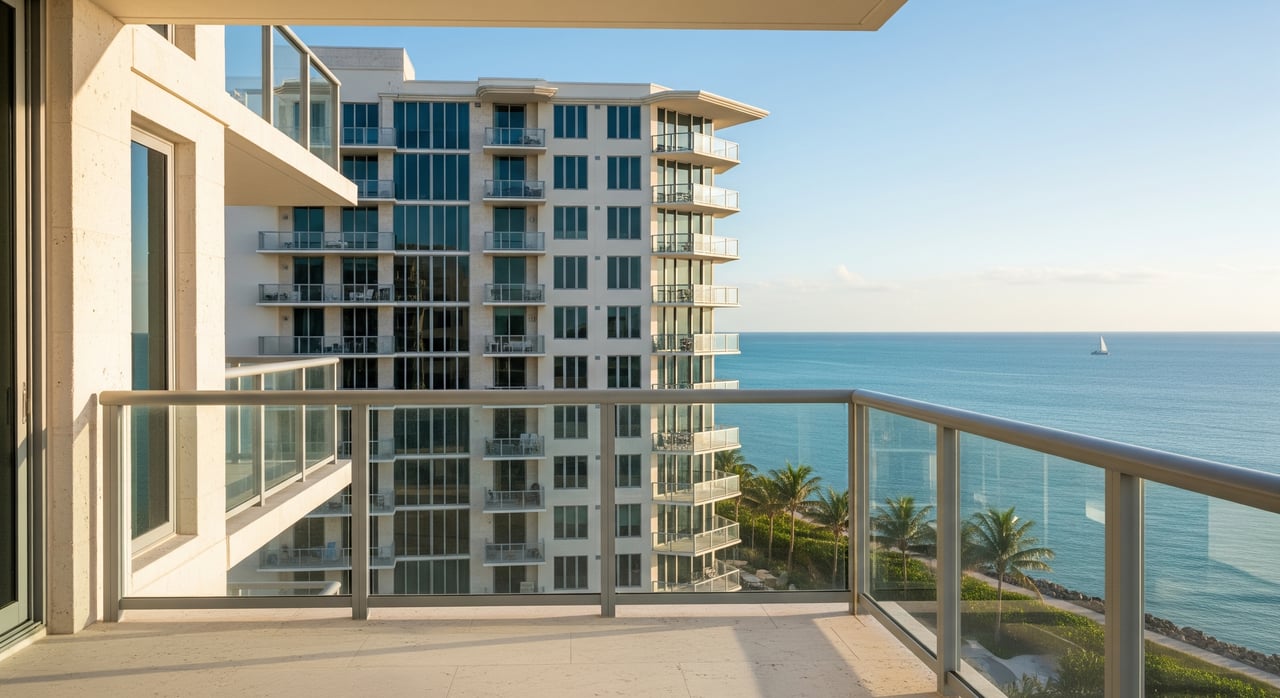
You have likely heard about “assessments” when shopping Park Shore high-rises, but the details can feel murky. If you own or plan to buy along the Naples coastline, you want a clear picture of what you could pay, why, and how to protect your investment. In this primer, you will learn how routine and special assessments work, why beachfront towers often face large capital projects, what to review in association documents, and how assessments affect pricing, financing, and closing. Let’s dive in.
Routine vs. special assessments
Routine assessments
Routine assessments are your recurring monthly or quarterly dues. They fund day-to-day operations like utilities, landscaping, janitorial services, on-site staff, routine maintenance, and the association’s insurance premiums. When a budget includes reserves, part of your monthly fee also goes toward the reserve fund for future major work.
Special assessments
A special assessment is a one-time or infrequent charge on top of your regular dues. Associations use special assessments to pay for unplanned capital repairs, emergency fixes, or large projects that exceed normal budgets. Examples include major roof replacement, concrete restoration, seawall work, elevator modernization, or covering a large insurance deductible after a claim.
Reserves: your first line of defense
The reserve fund is money set aside for predictable capital needs such as roofs, elevators, exterior painting, structural repairs, and building systems. Healthy reserves reduce the chance of frequent special assessments. If reserves are underfunded or waived, owners face a higher risk of future one-time charges.
Who decides and what Florida requires
Board and owner roles
Your condominium association’s board proposes budgets and manages the property under the declaration and bylaws. The board can typically levy routine assessments and, in many communities, propose special assessments. Some associations require owner approval for large special assessments or for certain reserve decisions. The exact voting thresholds and procedures are defined in the governing documents and Florida law.
Florida Condominium Act and oversight
The Florida Condominium Act (Chapter 718) sets the framework for budgets, reserves, financial reporting, and owner rights to review records. The Florida Department of Business and Professional Regulation (DBPR), through its Division of Condominiums, offers consumer and administrative resources. Owners can request access to association records and financials under the statute’s rules.
Post‑Surfside focus on safety and reserves
Increased scrutiny followed the 2021 Surfside tragedy. Many associations, lenders, and building officials now put more emphasis on structural evaluations, reserve funding, and transparency. In addition to state requirements, check with the City of Naples and Collier County building departments for any inspection or recertification rules that may apply to Park Shore high-rises.
Why Park Shore towers often face assessments
Beachfront and high-rise buildings on the Gulf have unique demands. In Park Shore, common drivers include:
- Salt-air corrosion that accelerates rebar rust and concrete spalling, leading to façade, balcony, and structural repairs.
- Wind and hurricane exposure that can damage windows, roofs, cladding, elevators, and mechanicals, or require resiliency upgrades such as impact glazing.
- Seawall and shoreline needs where repair or replacement becomes a large capital event.
- Aging systems in legacy towers, including elevators, chillers and central HVAC, plumbing stacks, roofs, pools, and parking structures.
- Insurance market pressures that increase premiums and deductibles, which can flow through to monthly dues or require special assessments after a claim.
- Deferred maintenance or historically underfunded reserves that create project backlogs.
- Required inspections and engineering evaluations that can trigger immediate remediation if deficiencies are found.
What to review before you buy or sell
Essential documents and records
Request these items to understand current fees and future risk:
- Declaration of condominium, exhibits, plat, and unit interest schedule (how assessments and votes are allocated).
- Bylaws and rules, including voting thresholds and procedures for special assessments.
- Current and most recent adopted budgets with line items for operations and reserves.
- The most recent reserve study with component life expectancies and recommended funding.
- CPA-prepared financial statements for the last 2–3 years and year-to-date status, including reserve balances and cash on hand.
- Minutes of board and owner meetings for the last 12–24 months for clues on planned projects.
- An estoppel certificate during escrow to confirm current assessments, any approved special assessments, and outstanding amounts.
- Insurance certificates and summaries, including wind/hurricane deductibles and claims history.
- Disclosures on pending litigation and any contractor or construction disputes.
- Contracts and proposals for planned capital projects and the funding approach.
- Assessment delinquency reports that show the percentage of owners past due.
- The management contract for scope, term, and fees.
- Any resolutions or owner votes that waived reserves or approved major assessments.
Red flags to watch
Be cautious if you see the following:
- Reserve balances that are low relative to building age, condition, or the reserve study.
- Major projects discussed without identified funding or phasing.
- Large deductibles on the association’s insurance or recent significant claims.
- High owner delinquency rates that strain cash flow and risk future increases.
- Active litigation that could result in future costs to owners.
- Documents that allow the board to levy substantial special assessments with minimal owner input.
How assessments are allocated and approved
- Allocation method: Most associations divide assessments by the percentage interest listed in the declaration. Special assessments typically follow the same schedule unless documents state otherwise.
- Approval thresholds: Governing documents and Florida law determine whether the board can impose a special assessment or if owner approval is required. Always verify the exact threshold.
- Reserve waivers: Associations can sometimes reduce or waive statutory reserve funding if owners approve under the rules. This can lower dues now but increases the chance of a special assessment later.
- Timing and payment: Special assessments are often payable in a lump sum or installments. The resolution or owner vote usually sets the terms.
- Emergency authority: After storm damage, boards may act under emergency powers for repairs. Shorter notice and rapid assessments can occur in these situations.
- Lender and project eligibility: Lenders, and entities like Fannie Mae and Freddie Mac, screen condo projects for financial health. Large special assessments, low reserves, high delinquencies, or litigation can affect loan approvals and appraisals.
Pricing, financing, and closing impacts
- Budget for total cost: Include monthly dues plus a realistic allowance for near-term projects when calculating affordability.
- Negotiate with facts: Approved or anticipated special assessments are material to price and terms. Use the reserve study, minutes, and estoppel to guide offers or concessions.
- Escrow clarity: The estoppel certificate will identify what is owed and whether assessments are due at closing. Associations can place liens for unpaid assessments until resolved.
- Financing risk: If a building’s reserves are low or a large assessment is pending, lenders may require more documentation, decline the loan, or require the assessment to be paid before closing.
- Insurance deductibles: After a storm or large claim, associations may assess owners for deductible amounts depending on the circumstances and governing documents.
Questions buyers should ask
- What is the current monthly assessment, and when was it last increased?
- Provide the most recent CPA financials and reserve study, including funded percentage.
- Are any special assessments approved or under consideration? Amount, purpose, allocation, and payment schedule?
- What major projects were completed in the last 5 years, and what is planned in the next 1–5 years?
- What are the master insurance deductibles for wind and other perils? Any recent claims?
- Is there any pending litigation that could affect costs?
- What percentage of owners are delinquent on assessments?
- Are there recent engineering or structural reports for balconies, façade, or concrete?
- Are any local inspections or recertifications scheduled by the City of Naples or Collier County?
Questions sellers should prepare to answer
- Provide the estoppel certificate and recent meeting minutes regarding any approved or discussed assessments.
- Document completed projects, warranties, and whether related assessments were charged and paid.
- Be ready to negotiate responsibility for any assessment approved before closing, as contracts often address this.
Smart strategies in Park Shore
- Know the reserve story: Compare the reserve study’s recommendations to the actual reserve balance. A high funded percentage is a positive sign.
- Read the minutes: Meeting minutes reveal what is coming. Look for concrete restoration, elevator modernization, roofing, seawalls, or building envelope projects.
- Ask about insurance structure: Understand wind and hurricane deductibles and how the association plans to fund them.
- Plan for timing: If a major project is midstream, confirm the payment schedule. Align your closing with installment dates when possible.
- Keep financing flexible: If you rely on a mortgage, engage a lender experienced with Florida coastal condominiums early in the process.
- Leverage expert coordination: An organized team approach helps you gather the right documents, spot risks, and position your offer or listing with confidence.
The bottom line for Park Shore owners
If you own or are considering a Park Shore high-rise, assessments are part of the coastal condo equation. The key is transparency and preparation. Understand the difference between routine and special assessments, verify reserve strength, and review the right documents before you commit. When you combine good information with a clear strategy, you protect value, reduce surprises, and make better decisions.
Ready to evaluate a specific building or unit? Connect with the Lickley Group for a discreet, step-by-step approach tailored to Park Shore and Naples high-rises.
FAQs
What is the difference between routine and special condo assessments?
- Routine assessments are recurring dues for operations and reserves, while special assessments are one-time charges for large or unplanned capital needs.
How do Park Shore location factors affect assessments?
- Coastal conditions like salt-air corrosion, hurricane exposure, and seawall demands increase capital needs in beachfront high-rises.
Which documents reveal upcoming special assessments?
- The reserve study, meeting minutes, current budget, CPA financials, and the estoppel certificate provide the clearest view of near-term costs.
How are special assessments usually allocated among owners?
- Most associations allocate by each unit’s percentage interest listed in the declaration unless documents specify a different method.
Can a board levy a special assessment without an owner vote?
- It depends on the declaration, bylaws, and Florida law; some assessments require owner approval at a defined voting threshold.
How do assessments impact mortgage approval in Naples condos?
- Large assessments, low reserves, delinquencies, or litigation can cause lenders to require extra review, delay approval, or decline the loan.